

Once your braces come off, it can feel as though the hard part is finally over. But there is another important stage ahead: retention. This phase protects the adjustments your orthodontist has made and helps keep your teeth in their corrected positions. If you are in Minnesota, your daily routines, seasonal activities, and lifestyle can all influence how you wear, store, and care for your retainer. Having a practical plan can help you avoid unwanted tooth movement, damaged appliances, unexpected replacement costs, and the frustration of losing progress after treatment.
The Type of Retainer You Choose Affects Comfort, Hygiene, and Durability
Not all retainers work in the same way. The most appropriate option depends on your dental needs, treatment history, and ability to follow a consistent wearing routine.
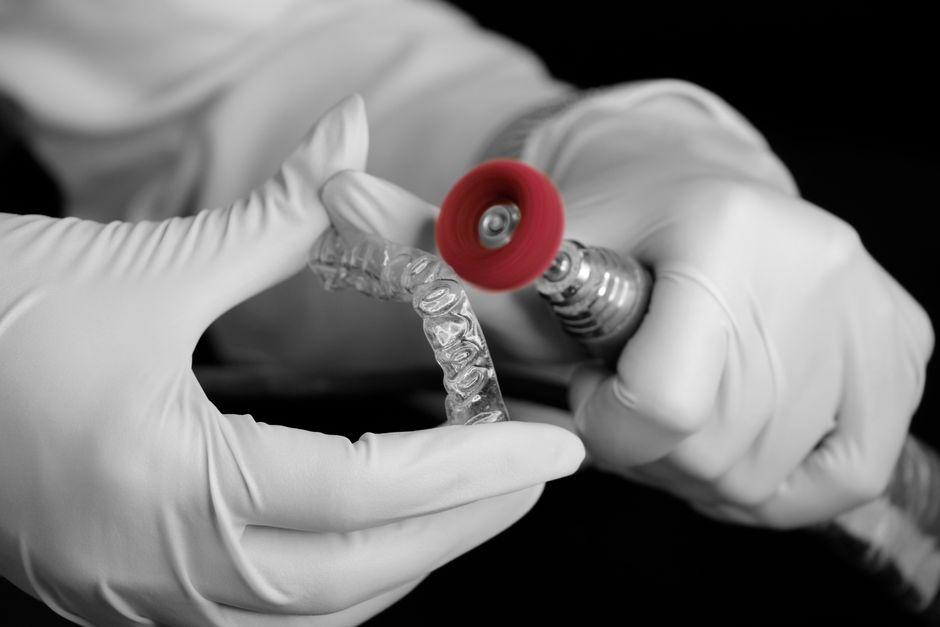
Clear removable retainers are popular because they are discreet and relatively easy to wear. They fit over the teeth and are generally taken out for eating, drinking anything other than water, and cleaning. Their transparent appearance makes them appealing to people who prefer an appliance that is less noticeable.
Hawley retainers use an acrylic base and a metal wire that sits across the front teeth. They are more visible than clear trays but can be adjusted by an orthodontist and may offer good durability when properly maintained.
Fixed retainers are bonded behind the teeth, usually along the front teeth that are most vulnerable to movement. Because they remain in place, they do not depend on the patient remembering to insert them every night. However, cleaning around the wire requires additional attention.
Each type has advantages and limitations. Clear retainers can become damaged or distorted by heat, Hawley retainers are more noticeable, and fixed retainers require careful brushing and flossing to prevent plaque buildup.
Look up custom orthodontic retainers, MN to connect with qualified orthodontic professionals who offer custom-fitted retainers, replacement options, and ongoing retention care.
Why Retainers Are an Essential Part of Orthodontic Treatment
Your teeth do not become permanently fixed in their new positions the moment your braces are removed. The surrounding bone and periodontal tissues need time to adapt, and teeth can continue to shift even after active orthodontic treatment has ended.
You may have heard someone say their teeth moved back after braces. This can happen when a person does not wear a retainer according to their orthodontist’s instructions. Even relatively small changes can affect the alignment of individual teeth and the way the upper and lower teeth fit together.
The retention schedule depends on several factors, including the original alignment problem, the amount of crowding or spacing, extraction history, and the type of bite correction performed. Some patients are instructed to wear their retainers more frequently at first before transitioning to nighttime use. Others may require a different schedule.
The British Orthodontic Society explains that teeth can relapse after treatment and that long-term retention is important for maintaining orthodontic results. Its guidance on orthodontic treatment and retainers also highlights the differences between fixed and removable options.
Building a Daily Routine That Protects Your Retainer
Many retainer problems develop through ordinary habits rather than major accidents. You might remove your appliance during lunch, wrap it in a napkin, and accidentally throw it away. Leaving it in a hot car can distort the material, while forgetting to wear it according to your prescribed schedule can allow unwanted tooth movement.
Cleaning mistakes can create additional problems. Some toothpastes are abrasive and may scratch clear plastic, while hot or boiling water can distort the appliance. Follow your orthodontist’s cleaning instructions and use a suitable cleanser rather than experimenting with household products.
Storage is equally important. Whenever a removable retainer is not in your mouth, keep it in a protective case. This simple habit reduces the likelihood of accidental damage, contamination, or loss.
A consistent routine does not have to be complicated. Cleaning the appliance as instructed, storing it safely, and following the recommended wearing schedule can make retention easier to manage over time.
Eating, Drinking, and Speaking With a New Retainer
Getting used to a new retainer can take a little time, particularly during the first few days. Removable retainers should generally be taken out before eating, as chewing can damage or distort the appliance. Drinking water is usually fine while wearing a removable retainer, but hot beverages and sugary or acidic drinks can create problems depending on the material and oral hygiene conditions.
You may also notice a slight change in speech when you first start wearing a retainer. Certain sounds can feel different until your tongue adjusts to the appliance. Reading aloud or practicing normal conversations can help make the transition easier.
If speech difficulties or discomfort persist, ask your orthodontist to check the fit rather than attempting to adjust the retainer yourself.
Seasonal Routines Can Influence Retainer Care
Daily habits can change throughout the year, and those changes may affect how consistently you wear and store your retainer. Winter clothing, sports schedules, travel, and time spent away from home can create situations in which an appliance is misplaced or damaged.
For example, placing a retainer in a coat pocket or backpack without its protective case increases the risk of accidental damage. Leaving it in a vehicle is also unwise, particularly when temperatures fluctuate. Excessive heat is especially problematic for many removable plastic retainers because it can affect their shape.
Sports activities require additional planning. During hockey, basketball, skiing, or other activities, you may need to remove a removable retainer before using a mouthguard. Ask your orthodontist how to coordinate the two appliances without compromising your retention plan.
If wearing your retainer becomes uncomfortable during changes in your daily routine, discuss the issue with your orthodontist instead of quietly reducing the hours you wear it.
When a Retainer No Longer Fits Properly
A retainer should feel secure without causing significant pain or pressure. If it suddenly feels too tight, sits unevenly, or no longer fits over your teeth, do not try to force it into place. These changes may indicate that your teeth have shifted or that the appliance has become damaged.
Contact your orthodontist so they can assess the fit and determine whether an adjustment, repair, or replacement is needed. Continuing to wear an ill-fitting retainer without professional guidance could make the problem worse.
It is also worth mentioning any discomfort, changes in your bite, or irritation around the gums during your appointment. A professional assessment can help identify whether the issue comes from the appliance itself or changes in your teeth.
What to Do If You Lose or Damage Your Retainer
Losing a retainer can happen more easily than you might expect, especially when you remove it while eating away from home or traveling. If yours goes missing or develops a crack, contact your orthodontist as soon as possible. Delaying a replacement may give your teeth an opportunity to move out of alignment.
Avoid using household adhesives, trimming damaged edges, or attempting to reshape the appliance with heat. These quick fixes can affect its fit and potentially cause irritation or damage.
If you have a previous retainer, ask your orthodontist whether it is still suitable to wear while a replacement is arranged. Keeping your provider’s contact information accessible and understanding the replacement process can make an unexpected problem easier to manage.
Follow-Up Appointments Help Protect Your Results
Getting a retainer is not necessarily the final interaction you will have with your orthodontist. Follow-up visits allow the provider to check whether your teeth remain stable, assess the condition of the appliance, and address concerns before they become more noticeable.
These appointments are particularly useful if you have a fixed retainer, since the bonding and surrounding areas need to be checked periodically. Your orthodontist can also review your wearing schedule and recommend changes if your dental needs evolve.
Even when everything feels normal, keeping up with recommended checkups gives you an opportunity to confirm that your retainer is doing its job. Professional monitoring can help identify small concerns before they develop into more significant problems.
Protecting Your Smile Requires Long-Term Commitment
Orthodontic results need ongoing attention after active treatment ends. Wearing your retainer as instructed, storing it safely, cleaning it properly, and arranging timely replacements all help protect the alignment achieved through braces.
Tooth movement is not always obvious at first. A damaged appliance, an inconsistent wearing routine, or a delayed replacement may seem insignificant, but small problems can accumulate. Paying attention to changes in fit and attending recommended follow-up appointments can help you address concerns before they become more noticeable.
If your braces are coming off soon or you have recently completed treatment, take the retention phase seriously. A well-fitted retainer and a routine you can maintain help protect the time, effort, and investment that went into orthodontic treatment. Finishing braces is an important milestone, but maintaining the result is what makes the progress last.