
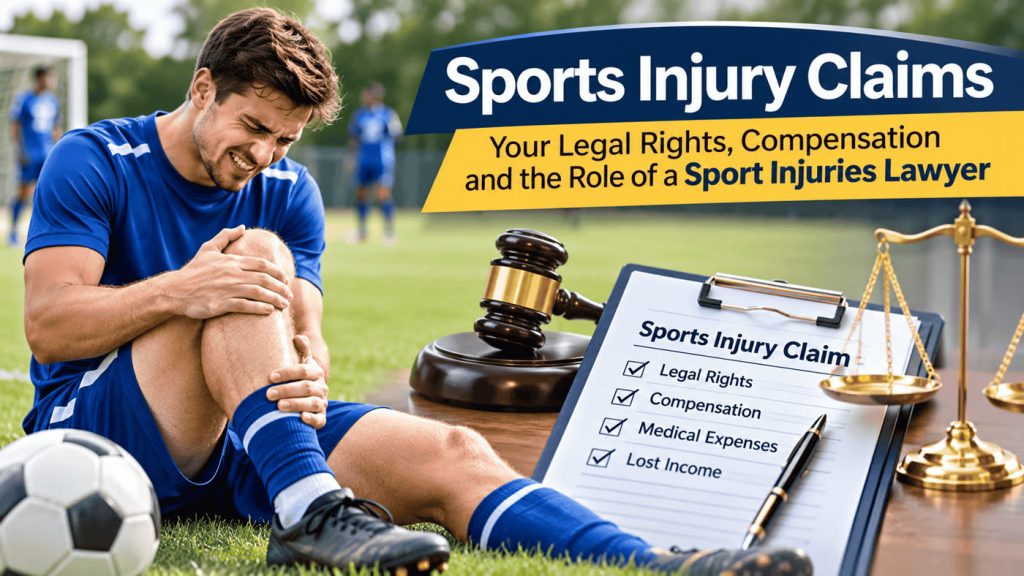

Sports and recreational activities play an important role in maintaining physical fitness, building confidence, and improving overall well-being. From competitive athletics to weekend football matches, cycling, and fitness training, participating in sports offers numerous physical and social benefits. However, even when participants follow safety precautions, accidents can happen. While some injuries are an unavoidable part of physical activity, others may result from unsafe facilities, defective equipment, inadequate supervision, or negligent behavior.
Consulting a qualified sport injuries lawyer can help injured individuals understand their legal rights and determine whether they have grounds for a compensation claim. Sports-related injuries can lead to significant medical expenses, lost income, emotional distress, and long-term physical limitations. Understanding the legal responsibilities of coaches, facility owners, event organizers, and other participants can make it easier to navigate the challenges that follow a serious sporting accident.
Understanding Sports Injuries and Their Impact
A sports injury refers to physical harm sustained while participating in an athletic, recreational, or exercise-related activity. Injuries can occur during organized competitions, school sports, professional training, or casual recreational activities.
While minor injuries may require only temporary rest and medical attention, more serious conditions can significantly affect an individual’s quality of life.
Recovery may involve surgery, rehabilitation, physical therapy, medication, and extended periods away from work or education.
For some individuals, the financial and emotional consequences continue long after the initial accident.
Common Types of Sports Injuries
Sports injuries vary depending on the activity, environment, equipment, and circumstances surrounding the accident.
Some commonly reported injuries include:
- Bone fractures and dislocations
- Concussions and traumatic brain injuries
- Spinal cord and neck injuries
- Torn ligaments and damaged tendons
- Muscle strains and sprains
- Knee and shoulder injuries
- Soft tissue injuries
- Chronic pain resulting from physical trauma
Certain injuries may have lasting consequences, particularly when they involve the brain, spine, or major joints.
Obtaining an accurate medical diagnosis is essential for developing an appropriate recovery plan and understanding the potential long-term effects of the injury.
When Can a Sports Injury Lead to a Legal Claim?
Participating in sports naturally involves accepting certain risks. For example, physical contact during a hockey game or falling while skiing may be considered an ordinary risk associated with the activity.
However, accepting normal sporting risks does not necessarily mean accepting injuries caused by another party’s negligence.
A legal claim may be possible when an individual suffers harm because someone failed to take reasonable safety precautions or engaged in conduct that created an unreasonable risk of injury.
Unsafe Sporting Facilities
Facility owners and operators may have responsibilities to maintain reasonably safe environments for participants and visitors.
Damaged playing surfaces, poorly maintained fitness equipment, inadequate lighting, and unaddressed hazards can increase the likelihood of accidents.
For example, an athlete who suffers a serious injury because of a known defect in a sports facility may have grounds to investigate whether the operator failed to meet its legal responsibilities.
Defective or Improperly Maintained Equipment
Sports equipment is intended to support performance and, in many cases, protect participants from injury.
Defective helmets, damaged exercise machines, faulty protective gear, or improperly installed equipment can contribute to serious accidents.
Depending on the circumstances, responsibility may involve equipment manufacturers, suppliers, facility operators, or maintenance providers.
Inadequate Coaching and Supervision
Coaches, instructors, and personal trainers may have a duty to provide reasonable instruction and supervision.
This responsibility becomes particularly important when working with children, inexperienced athletes, or individuals participating in higher-risk activities.
Encouraging participants to perform activities beyond their abilities, ignoring evident signs of injury, or failing to implement appropriate safety measures may raise questions about negligence.
Reckless or Excessive Conduct
Competitive sports often involve physical contact, but conduct that falls substantially outside the accepted rules and expectations of a sport may create legal concerns.
Intentional violence or unusually dangerous behavior can potentially expose participants to liability.
Determining whether such conduct supports a personal injury claim requires careful consideration of the applicable law and the specific circumstances of the incident.
What to Do Immediately After a Sports Injury
The actions taken following a sporting accident can influence both physical recovery and the availability of evidence for a potential legal claim.
Although every situation is different, prioritizing medical care and preserving accurate records are important starting points.
Seek Appropriate Medical Attention
Health and safety should always come first.
Even injuries that initially appear minor can involve underlying complications, particularly when they affect the head, neck, or spine.
Anyone experiencing loss of consciousness, severe pain, breathing difficulties, significant bleeding, or neurological symptoms should seek emergency medical assistance.
For suspected concussions, participants should stop sporting activities and obtain appropriate medical assessment before returning to play.
Document the Incident
Recording the circumstances of an accident can help establish what happened and identify potential contributing factors.
Where it is safe and practical, collect photographs of the location, relevant equipment, visible hazards, and injuries.
Witness names, contact details, incident reports, and medical documentation may also become valuable evidence.
Additional guidance on what to do after an unexpected injury can help individuals understand the importance of protecting their health and maintaining accurate records during recovery.
Notify the Relevant Organization
Report the incident to the appropriate coach, facility manager, school representative, or event organizer.
Request a copy of any written incident report and keep relevant communications.
Timely reporting may help preserve evidence and establish an accurate record of the accident.
How a Sports Injury Lawyer Can Help
Personal injury claims involving sports can be complicated because they require distinguishing ordinary risks from potentially negligent conduct.
Legal professionals can review the circumstances surrounding an accident, identify relevant legal responsibilities, and explain the options available to injured individuals.
Individuals seeking professional assistance may consider legal resources such as Affinity Lawyer, which provides services relating to personal injury matters in Ontario. Consulting a lawyer familiar with sports-related accidents can help clarify whether the circumstances support a potential compensation claim.
Investigating the Circumstances
Establishing responsibility often requires reviewing multiple sources of information.
A lawyer may examine incident reports, witness statements, photographs, safety policies, equipment records, and available medical evidence.
In complex cases, independent experts may be consulted to assess whether reasonable safety standards were followed.
Identifying Potentially Responsible Parties
More than one party may be involved in a sporting accident.
Depending on the situation, potentially responsible parties could include facility operators, sports organizations, coaches, equipment manufacturers, or other participants.
Identifying the appropriate parties requires an understanding of their respective responsibilities and the evidence surrounding the accident.
Communicating With Insurance Companies
Insurance coverage may be available through sporting organizations, facility operators, employers, or personal insurance policies.
However, coverage terms, exclusions, notification requirements, and claim procedures can vary considerably.
Legal guidance may help injured individuals understand these requirements and assess settlement offers before accepting them.
What Compensation May Be Available After a Sports Injury?
A serious sports injury can create financial challenges that extend beyond immediate medical treatment.
Where a valid personal injury claim exists, compensation may address different categories of losses, depending on the applicable law and supporting evidence.
Medical and Rehabilitation Expenses
Injured individuals may require ongoing treatment, physical therapy, medication, assistive equipment, or specialized rehabilitation services.
Reasonable injury-related expenses that are not otherwise covered may form part of a compensation claim.
Lost Income and Reduced Earning Capacity
Injuries can prevent individuals from returning to work or performing their previous responsibilities.
Professional athletes may also experience disruptions to their sporting careers.
Where supported by evidence, financial losses relating to missed work or reduced future earning potential may be considered.
Pain, Suffering, and Reduced Quality of Life
Physical discomfort, restricted mobility, emotional distress, and the inability to participate in previously enjoyed activities can have a substantial personal impact.
Personal injury law may recognize certain nonfinancial losses, although eligibility and compensation amounts depend on individual circumstances and legal requirements.
Long-Term Care and Support
Severe injuries may require assistance with everyday activities, home modifications, ongoing medical supervision, or specialized equipment.
Future care needs can become particularly important when an injury results in permanent disability or significant functional limitations.
Understanding Liability Waivers in Sports Activities
Many sports facilities, gyms, recreational organizations, and event operators require participants to sign liability waivers before engaging in certain activities.
These documents are generally intended to communicate risks and limit legal responsibility under specified circumstances.
However, signing a waiver does not automatically mean that an injured participant has no legal options.
The enforceability of a waiver may depend on its wording, how it was presented, the participant’s circumstances, and applicable provincial law.
For example, legal considerations involving recreational participants may differ from those involving minors or individuals who were not adequately informed about particular risks.
A qualified lawyer can review the document and explain its potential effect on a personal injury claim.
Supporting Physical and Emotional Recovery
Recovery from a sporting accident often involves more than treating the physical injury.
Athletes and recreational participants may experience frustration, anxiety, reduced confidence, and uncertainty about returning to activities they enjoy.
For individuals who regularly participate in sports, an injury can temporarily disrupt their social connections, daily routines, and sense of independence.
Follow a Professional Rehabilitation Plan
Returning to physical activity too quickly may contribute to reinjury or additional complications.
Healthcare professionals can recommend rehabilitation approaches based on the nature and severity of the injury.
Recovery timelines vary, making individualized medical guidance more appropriate than comparing progress with other athletes.
Maintain Realistic Expectations
Some injuries heal relatively quickly, while others require extended rehabilitation or permanent lifestyle adjustments.
Recognizing these differences can help individuals establish realistic recovery goals.
Support from family members, healthcare providers, and qualified mental health professionals may also be beneficial during challenging recovery periods.
Practical Ways to Reduce the Risk of Sports Injuries
Although not every sporting accident can be prevented, responsible preparation and appropriate safety practices can help reduce avoidable risks.
Athletes, coaches, and recreational participants should consider the following precautions:
- Use appropriate, properly fitted protective equipment.
- Follow established rules and safety guidelines.
- Inspect sporting equipment before use.
- Report damaged facilities and potential hazards.
- Participate in suitable warm-up and conditioning activities.
- Avoid continuing physical activity when injured.
- Follow qualified medical advice before returning to sports after an injury.
Sports organizations should also maintain suitable facilities, provide appropriate supervision, and establish clear procedures for responding to accidents.
Creating a safer sporting environment requires shared responsibility among everyone involved.
Frequently Asked Questions
Can I claim compensation for an injury sustained during a sporting activity?
Possibly. A claim may be available when an injury results from negligence or another legally actionable form of conduct. Ordinary risks associated with sports do not automatically establish grounds for compensation.
Can I make a sports injury claim if I signed a waiver?
A signed waiver may affect your legal options, but its enforceability depends on the circumstances and applicable law. A lawyer can assess whether the waiver limits a particular claim.
Are amateur athletes eligible to pursue sports injury claims?
Potentially, yes. Personal injury claims are not limited to professional athletes. Recreational participants and amateur athletes may also have legal options when injuries result from another party’s legally actionable conduct.
How long do I have to file a sports injury claim in Ontario?
Ontario generally has a two-year limitation period for many civil claims, beginning when the claim is discovered under the applicable legal rules. However, exceptions and shorter notice requirements may apply. Seeking legal advice promptly is important.
Conclusion
Sports and recreational activities offer valuable opportunities to improve physical health, develop skills, and enjoy meaningful experiences. However, serious injuries can create unexpected medical, financial, and emotional challenges.
Understanding the difference between ordinary sporting risks and injuries caused by negligence is an important step toward protecting your legal rights.
Seeking appropriate medical treatment, documenting the circumstances of an accident, and obtaining professional legal guidance can help injured individuals make informed decisions about their recovery and potential compensation options.
Ultimately, promoting responsible sporting practices and understanding legal responsibilities can contribute to a safer environment while ensuring that individuals affected by preventable injuries have access to appropriate support.
Disclaimer: This article is for general informational purposes and does not constitute legal or medical advice. Individual circumstances and applicable laws may affect eligibility for compensation.