

You’re chatting with someone, and suddenly they type “tuh.” It’s short, looks casual, and almost feels like a typo—but it’s not. In today’s texting culture, small words like this can carry strong emotions, tone, and attitude. If you don’t understand them, you might completely miss what the other person is trying to say.
The phrase TUH meaning in text is becoming more common, especially in casual chats and social media conversations. It doesn’t follow the usual pattern of abbreviations like “LOL” or “BRB.” Instead, it represents a sound—something people say naturally in real life but now express in text form.
What makes “tuh” interesting is that it’s all about tone. It can show attitude, dismissal, sarcasm, or even confidence depending on how it’s used. That’s why understanding it is important if you want to follow modern conversations easily.
In this guide, we’ll break down everything you need to know about TUH—from its meaning and origin to how it’s used and how you should respond.
Meaning & Definition
The TUH meaning in text is not a traditional abbreviation with a fixed full form. Instead, it is an expressive sound used to show attitude, dismissal, or emphasis in a conversation.
In most cases, “tuh” is used to express something like “obviously,” “as if,” or “whatever.” It can also carry a slightly sarcastic or dismissive tone. For example, if someone says something obvious, replying “tuh” means you’re saying, “of course” in a slightly playful or confident way.
It can also be used to show disagreement or disbelief, depending on the context. The tone changes based on how it’s written and the situation in which it appears.
Unlike structured slang, TUH is more about how it feels than what it stands for. It represents a spoken reaction turned into text.
Because of its tone-based nature, TUH is strictly informal and should only be used in casual conversations.
What Does TUH Meaning in Text?
TUH meaning in text is an expression used to show attitude, sarcasm, or emphasis.
It is similar to saying “obviously,” “yeah right,” or “whatever.”
Example:
“You already knew that?”
“Tuh 😏”
Background / Origin
The origin of TUH meaning in text comes from spoken language rather than written abbreviations. In everyday speech, people often use sounds to express emotion, such as “uh,” “hm,” or “tsk.” “Tuh” is one of these expressive sounds.
As texting evolved, people started writing these sounds to make their messages feel more natural and emotional. Instead of typing full sentences, they used short expressions to show tone quickly.
Social media played a big role in spreading TUH. Platforms like TikTok, Snapchat, and Instagram encourage expressive communication. Users began using “tuh” in captions, comments, and chats to show attitude or humor.
Unlike traditional abbreviations, TUH doesn’t have a clear origin or full form. It developed naturally as part of digital communication.
Today, it is mostly used by younger audiences and in informal settings, showing how language continues to evolve with technology.
Usage in Different Contexts
The TUH meaning in text changes depending on the situation, which makes it both interesting and tricky to understand.
In general usage, TUH is used as a reaction. It often shows confidence or attitude. For example, if someone points out something obvious, replying “tuh” means you already knew it.
In emotional contexts, TUH can express sarcasm or dismissal. It can show that you don’t agree with something or that you’re unimpressed. However, it can also be playful when used among friends.
In casual conversations, TUH adds personality to messages. It helps people express tone without writing long sentences. This makes chats feel more natural and expressive.
When comparing formal vs informal usage, TUH is strictly informal. It should never be used in professional communication because it relies heavily on tone and may be misunderstood.
Tone examples:
- “Tuh 😏” → confident
- “Tuh 😂” → playful
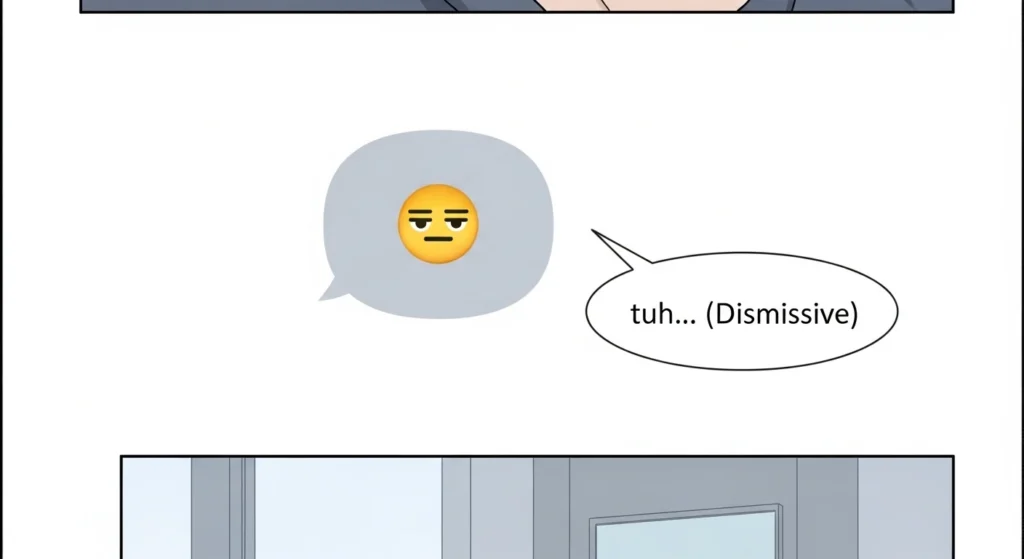
- “Tuh…” → dismissive
Understanding tone is key to using TUH correctly.
TUH Meaning on Social Media Platforms
- WhatsApp → On WhatsApp, TUH is used in chats to show attitude or react casually.
- Snapchat → On Snapchat, it appears in quick replies to snaps, often showing sarcasm or confidence.
- TikTok → On TikTok, users comment “tuh” to react to obvious or relatable content.
- Instagram → On Instagram, TUH is used in captions, comments, and DMs to express tone quickly.
Also Read: UT Meaning in Text Explained: Full Guide, Definition & Real Usage
Other Meanings in Different Fields
- Medical → TUH is not commonly used in medical terminology.
- Physics → It does not have a recognized meaning in physics.
- Technology → TUH is not widely used in technology contexts.
Examples of TUH Meaning in Text in Sentences
- Example 1:
Friend: “You already finished that?”
You: “Tuh 😏 of course I did.” - Example 2:
“That was obvious”
“Tuh 😂” - Example 3:
“You think I didn’t know?”
“Tuh…” - Example 4:
“She said yes!”
“Tuh I knew it!”
Common Misconceptions
- Misconception 1:
TUH has a full form → It is just an expression, not an abbreviation. - Misconception 2:
It is always rude → It can be playful depending on context. - Misconception 3:
Everyone understands it → It is not as widely known as other slang.
Similar Terms & Alternatives
- Uhh – Hesitation
- Bruh – Reaction to something obvious
- Duh – Obvious statement
- Eh – Indifference
- Yikes – Discomfort
How to Respond to TUH Meaning in Text When Someone Uses It
When someone uses TUH, they are expressing tone rather than giving information. Your response should match the mood of the conversation.
- Response 1:
“😂 okay, I get it” - Response 2:
“Alright, no need to flex 😅” - Response 3:
“I see what you mean”
Difference Between TUH Meaning in Text and Similar Terms
The TUH meaning in text is often compared with terms like “duh” or “bruh,” but there are differences.
“Duh” is more direct and clearly points out something obvious, while TUH feels more expressive and tone-based.
“Bruh” is often used to react to something surprising or funny, while TUH is more about attitude or emphasis.
“Uhh” shows hesitation, while TUH shows confidence or sarcasm.
These differences help you understand when to use TUH correctly.
Also Read: Sigma Meaning in Text: Full Guide, Uses & Real Examples
Relevance in Online Conversations & Dating Apps
In modern communication, tone matters as much as words. The TUH meaning in text reflects this shift.
On social media, TUH helps users express personality and attitude quickly. It makes interactions feel more natural and engaging.
On dating apps, TUH can be used to show confidence or playfulness. However, it should be used carefully, as tone can be misunderstood.
Expressions like TUH show how people are blending spoken language with digital communication. They make conversations feel more real and less robotic.
Frequently Asked Questions
What does TUH mean in texting?
It is an expression showing attitude or emphasis.
Does TUH have a full form?
No, it is not an abbreviation.
Is TUH rude?
Not always; it depends on tone.
Can I use TUH in formal messages?
No, it is informal.
Is TUH commonly used?
It is growing in usage, especially among younger users.
How should I respond to TUH?
Match the tone of the conversation.
Conclusion
The TUH meaning in text shows how modern communication is evolving beyond traditional words. It is not a fixed abbreviation but an expressive sound used to show attitude, sarcasm, or emphasis. Its meaning depends entirely on context and tone, which makes it flexible but sometimes confusing. While it is mainly used in casual conversations and social media, understanding it can help you follow conversations more easily and respond naturally.
Also Read:
TP Meaning in Text: What It Means & How to Use It