


Quick Answer: Occasion is the correct spelling. Ocassion is a common misspelling and is not accepted as the standard spelling in English. The word occasion is a noun meaning a particular event, situation, or time when something happens. It can also refer to a special event, such as a wedding, birthday, holiday, or celebration. The easiest way to remember the spelling is to notice that occasion contains “cc” followed by “s”: O-C-C-A-S-I-O-N.
What Is the Correct Spelling: Occasion or Ocassion?
Occasion is the correct spelling in standard English. It is used when talking about a particular event, circumstance, or special time. For example, you can say, “We bought new clothes for the occasion” or “She visits us on occasion.”
Ocassion is a misspelling of occasion. It often occurs because the pronunciation can make the spelling sequence difficult to remember. Although you may see “ocassion” in informal writing, messages, or online content, it should be corrected to occasion in professional, academic, and polished writing.
Occasion vs Ocassion: Core Difference
| Word | Correct? | Meaning | Example |
|---|---|---|---|
| Occasion | Yes | An event, situation, or particular time | It was a memorable occasion. |
| Ocassion | No | Common misspelling of occasion | Incorrect: It was a memorable ocassion. |
What Does Occasion Mean?
Occasion is a noun with several related meanings. It can describe a particular event or situation, especially one that is important or memorable. For example, a wedding is a special occasion, while a meeting can be an occasion when an important decision is made.
The word can also mean a particular time when something happens. In the phrase “on occasion,” it means “sometimes” or “from time to time.” Occasion can also be used as a verb in formal English, meaning to cause something to happen, although this use is much less common than the noun.
See Also:
LML Meaning in Text Messages – Simple Explanation You Must Know
How to Use Occasion Correctly
Use occasion when referring to an event, a particular situation, or a specific time. It is especially common with words such as special, important, formal, happy, and memorable.
- special occasion
- important occasion
- formal occasion
- happy occasion
- memorable occasion
- on occasion
- on this occasion
For example, “They wore formal clothes for the occasion” means they dressed appropriately for a particular event. Similarly, “I eat dessert on occasion” means that the person eats dessert sometimes, but not regularly.
Correct Examples of Occasion
- It was a very special occasion for our family.
- She bought a new dress for the occasion.
- We only eat at that restaurant on occasion.
- The wedding was a beautiful occasion.
- He gave a short speech on the occasion.
- This is an important occasion for everyone involved.
- They decorated the house for the special occasion.
- I have met him on several occasions.
- She sometimes calls me on occasion.
- It was a memorable occasion that we will never forget.
- He wore a suit because it was a formal occasion.
- On this occasion, we decided to stay home.
Incorrect vs Correct: Occasion and Ocassion
| Incorrect | Correct | Why? |
|---|---|---|
| It was a special ocassion. | It was a special occasion. | Ocassion is a misspelling. |
| We dressed up for the ocassion. | We dressed up for the occasion. | The standard spelling is occasion. |
| This is an important ocassion. | This is an important occasion. | Occasion contains cc. |
| It was a memorable ocassion. | It was a memorable occasion. | Ocassion is not the standard spelling. |
| They celebrated the ocassion. | They celebrated the occasion. | The correct sequence is occ, not oca. |
| She wore a beautiful dress for the ocassion. | She wore a beautiful dress for the occasion. | The noun is spelled occasion. |
| We have met on several ocassions. | We have met on several occasions. | The plural also keeps the correct spelling. |
| I visit them on ocassion. | I visit them on occasion. | The fixed expression is on occasion. |
| It was a happy ocassion. | It was a happy occasion. | Occasion is the correct spelling. |
| On this ocassion, we stayed late. | On this occasion, we stayed late. | The phrase is on this occasion. |
Why Do People Spell Occasion as Ocassion?
The most common reason is that occasion has a spelling pattern that is easy to rearrange or simplify when writing quickly. People may remember the sound of the word without remembering that it contains two consecutive c letters.
Another reason is pronunciation. In normal speech, the individual letters are not heard separately, so it can be difficult to connect the pronunciation with the spelling. This is why “ocassion” is a relatively common spelling mistake.
How to Remember the Spelling of Occasion
A simple way to remember occasion is to focus on the double c. Think of the spelling as:
O-C-C-A-S-I-O-N
You can also remember the phrase “occasion has two Cs”. The two Cs appear directly after the first letter O: occ…
Another useful strategy is to connect the word with common expressions such as special occasion, on occasion, and on this occasion. Seeing the correct spelling repeatedly makes it easier to remember.
Common Expressions with Occasion
Special Occasion
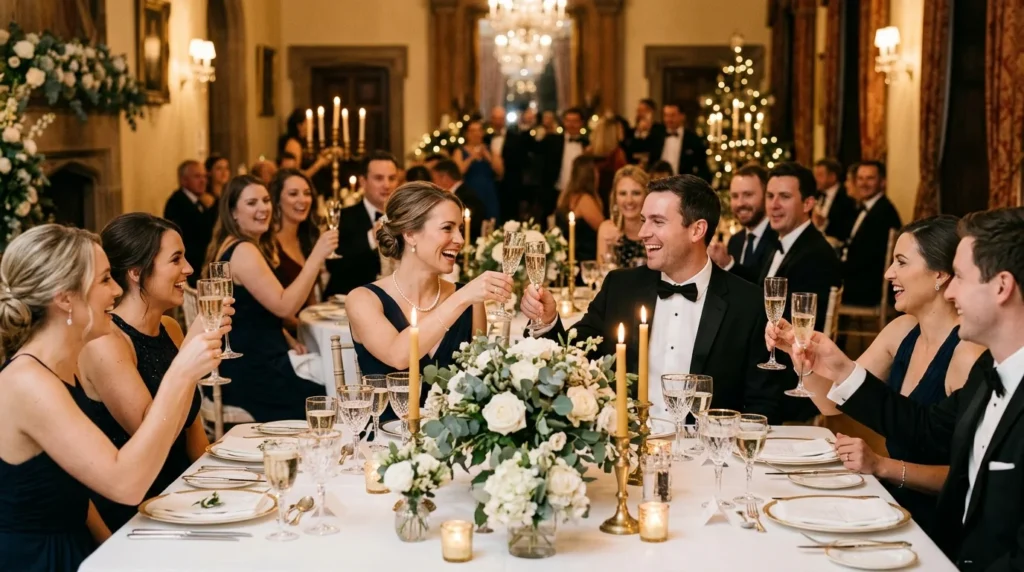
A special occasion is an important or memorable event, such as a wedding, birthday, anniversary, graduation, or celebration.
Example: She bought a new dress for the special occasion.
On Occasion
On occasion means sometimes or from time to time. It describes something that happens occasionally rather than regularly.
Example: I still eat fast food on occasion.
See Also:
IGU Meaning in Text Messages – Simple Explanation You Must Know
On This Occasion
On this occasion refers to the particular event or situation being discussed.
Example: On this occasion, we decided to celebrate at home.
On Several Occasions
On several occasions means several different times.
Example: She has helped me on several occasions.
Occasion as a Verb
Although occasion is most commonly used as a noun, it can also function as a verb in formal English. As a verb, occasion means to cause something to happen or to give rise to something.
For example, “The announcement occasioned a heated debate” means that the announcement caused a heated debate. This verb use is relatively formal and is much less common in everyday conversation than the noun occasion.
Occasion in Real English

In everyday English, occasion is completely natural when referring to events and particular times. Phrases such as special occasion and on occasion are especially common.
Ocassion, however, is not an alternative spelling used in standard English. It is simply a spelling error. Even if the meaning is obvious from context, it should be changed to occasion in professional emails, school assignments, articles, resumes, websites, and other polished writing.
Is Occasion American or British English?
Occasion is standard in both American and British English. There is no meaningful spelling difference between the two varieties for this word.
Whether you are writing for an American, British, Canadian, Australian, or international audience, use occasion.
See Also:
BBY Meaning in Text Explained – What Does BBY Stand For in Chat?
Common Mistakes to Avoid
- Writing ocassion instead of occasion.
- Forgetting the second c.
- Writing occasions incorrectly as ocassions.
- Using “ocassion” in professional or academic writing.
- Confusing the spelling because of the word’s pronunciation.
Occasion vs Ocassion: Quick Comparison
| Feature | Occasion | Ocassion |
|---|---|---|
| Standard English? | Yes | No |
| Part of speech | Usually noun; sometimes verb | None as a standard word |
| Meaning | Event, situation, or particular time | Misspelling of occasion |
| Correct spelling | O-C-C-A-S-I-O-N | Incorrect |
| Common phrase | Special occasion | Not applicable |
Real-Life Situations
At a Wedding
A wedding is a special occasion, so you might say, “Everyone dressed formally for the occasion.”
At Work
You might use the word when describing an important professional event: “The company held a formal meeting on the occasion of its anniversary.”
In Everyday Conversation
You can use on occasion to describe something that happens sometimes: “I go out for dinner on occasion.”
In Academic Writing
Occasion can describe a particular circumstance or event: “The discovery provided an occasion for further research.”
Practice Quiz
Choose the correct spelling in each sentence.
- It was a very special (occasion / ocassion).
- She bought flowers for the (occasion / ocassion).
- I visit that restaurant on (occasion / ocassion).
- We have spoken on several (occasions / ocassions).
- It was an important (occasion / ocassion) for the family.
Answers
- occasion
- occasion
- occasion
- occasions
- occasion
Frequently Asked Questions
Is occasion or ocassion correct?
Occasion is correct. Ocassion is a common misspelling and should not be used in standard English.
What does occasion mean?
Occasion can mean an event, a particular situation, or a specific time when something happens. It is also used in expressions such as “special occasion” and “on occasion.”
How do you spell occasion?
Occasion is spelled O-C-C-A-S-I-O-N. The word contains two consecutive c’s.
Why do people spell occasion as ocassion?
People often make this mistake because the pronunciation does not clearly reveal the double c in the spelling. Remembering the sequence occ can help.
Is ocassion a word?
No. Ocassion is not the standard English spelling of the word. The correct form is occasion.
What is the plural of occasion?
The plural is occasions. For example: “We have met on several occasions.”
What does “on occasion” mean?
“On occasion” means sometimes or from time to time. For example: “I eat dessert on occasion.”
Is occasion used in American and British English?
Yes. Occasion is the standard spelling in both American and British English.
What is a special occasion?
A special occasion is an important or memorable event, such as a wedding, birthday, anniversary, graduation, or other celebration.
Does occasion have two c’s?
Yes. The correct spelling is occasion, with two c’s: O-C-C-A-S-I-O-N.
Quick Summary
Occasion is the correct spelling, while ocassion is a misspelling. Occasion is usually a noun meaning an event, situation, or particular time, and it appears in common expressions such as “special occasion,” “on occasion,” and “on this occasion.” The easiest way to remember the spelling is to focus on the two c’s: O-C-C-A-S-I-O-N. Whether you are writing in American or British English, always use occasion in standard, professional, academic, and everyday writing.
See Also:
DWS Meaning in Text: Complete Guide to This Confusing Abbreviation
TF Meaning in Text Message: What It Really Means Will Shock You